Updating to continue with your booking


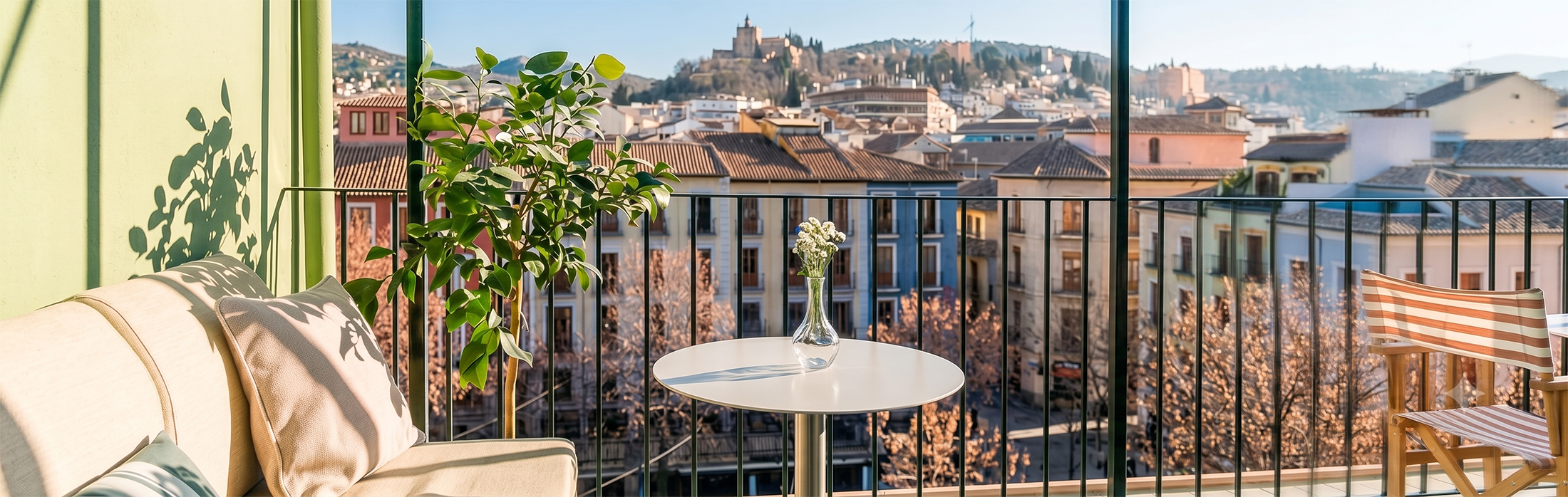
The so-called Blue Monday, popularly known as “the saddest day of the year”, is usually placed in the third week of January. In 2026, this date is commemorated on January 19 in Spain, a moment that, for many, coincides with the well-known “January blues” (the post-holiday financial slump) and the definitive return to routine.
Although its popularity is indisputable, the origin of Blue Monday is more media-driven than scientific. The term was coined by British psychologist Cliff Arnall, who claimed to have identified the saddest day of the year using a mathematical formula.
This equation considered factors such as the weather, with low winter temperatures; the return to work routine; the time elapsed since Christmas and New Year; money spent on gifts, and motivation regarding new year's resolutions.
However, even though the theory was convincing due to its proximity to daily experience, it lacks scientific support. Even so, the concept has managed to settle into the collective imagination and continues to influence the emotional perception of the month of January. The truth is that there may be circumstances that cause sadness or discouragement during this time.
Regardless of how the January blues are perceived, winter can also be an opportunity to rediscover cities at a slower pace.
Below, we propose ideas for activities and places to enjoy in Madrid, Granada, and Seville during this time.
Even in winter, Madrid offers multiple cultural, historical, and natural panoramas that invite you to slow down and reconnect with the city.
If you want to see other places to visit in Madrid, read the full article: Guide to places to visit in Madrid
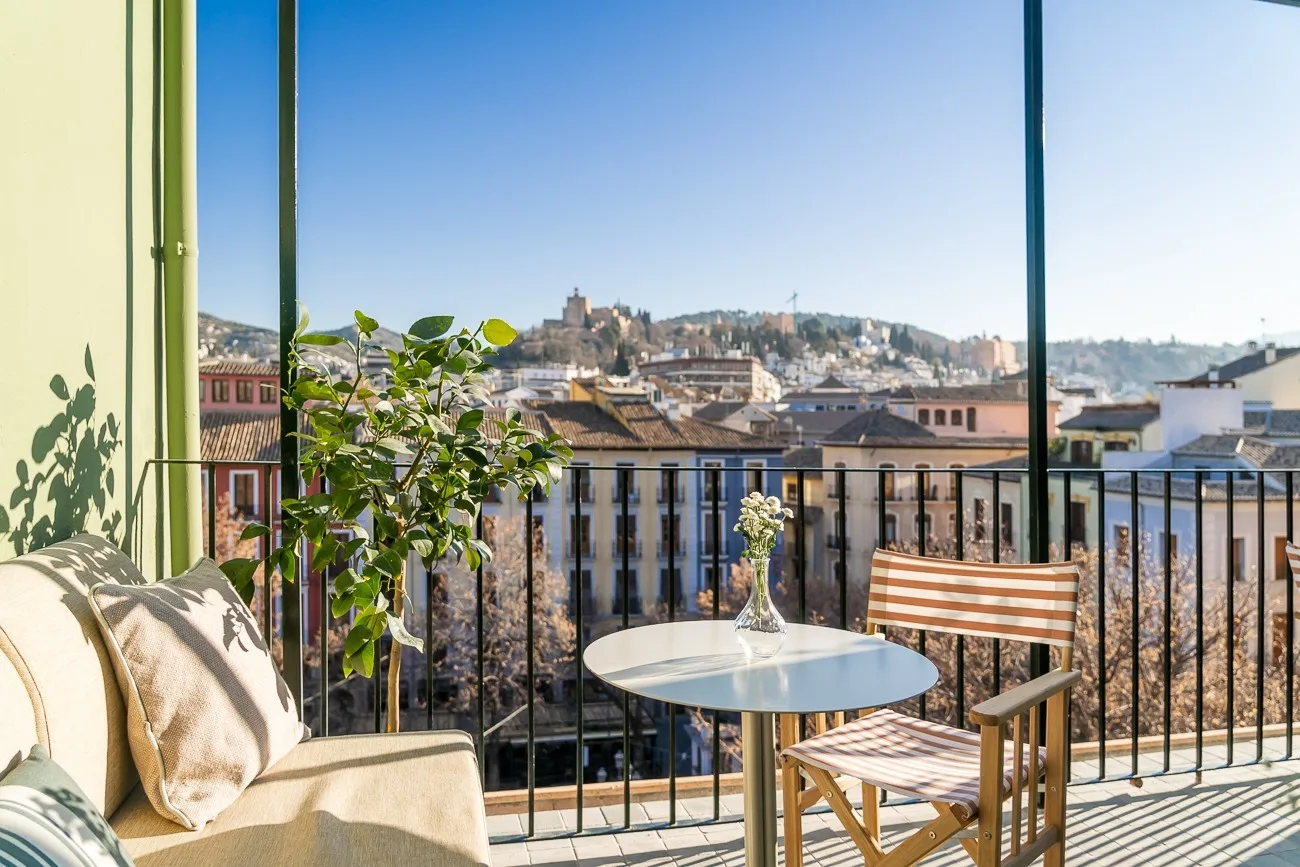
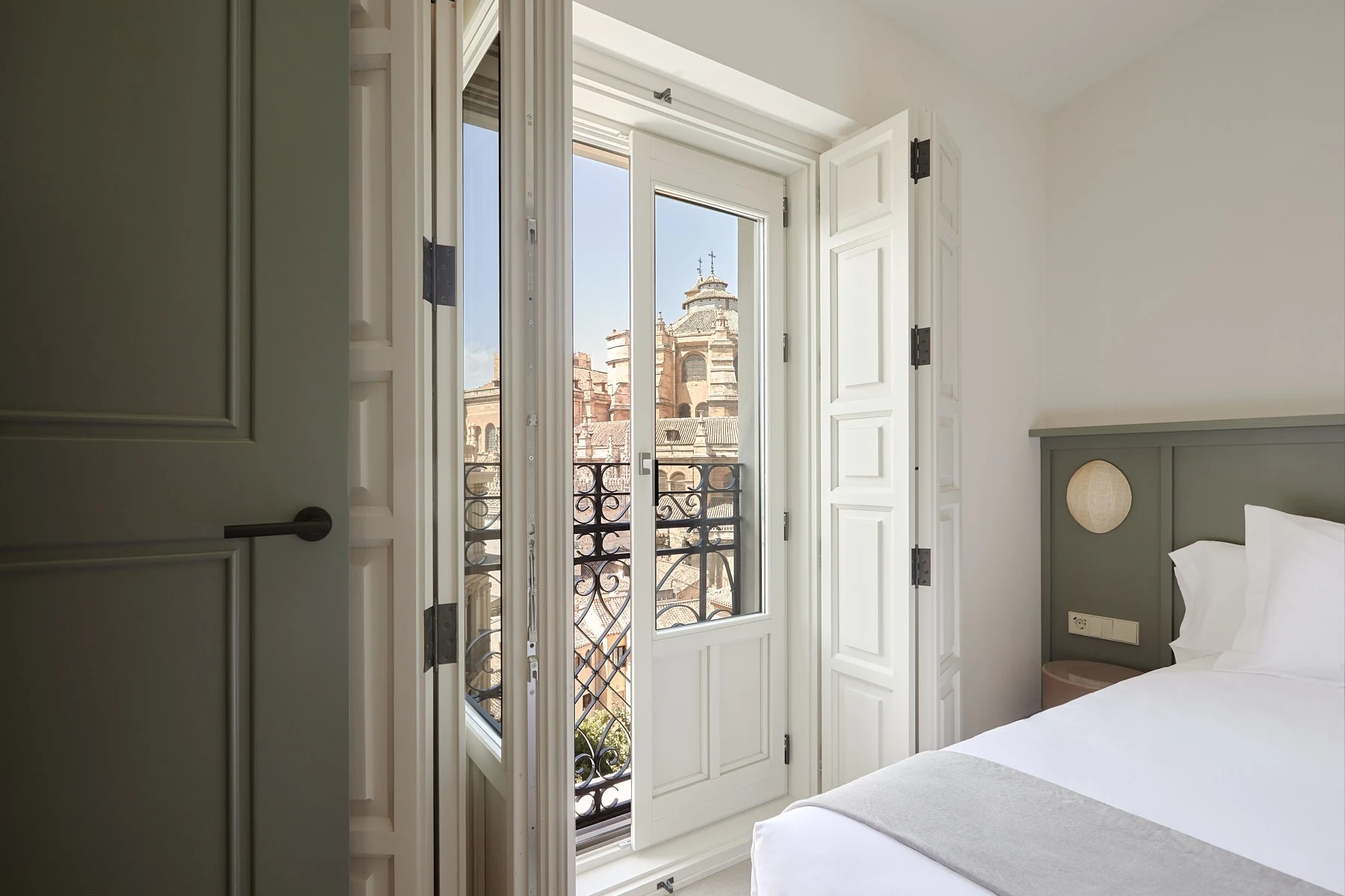
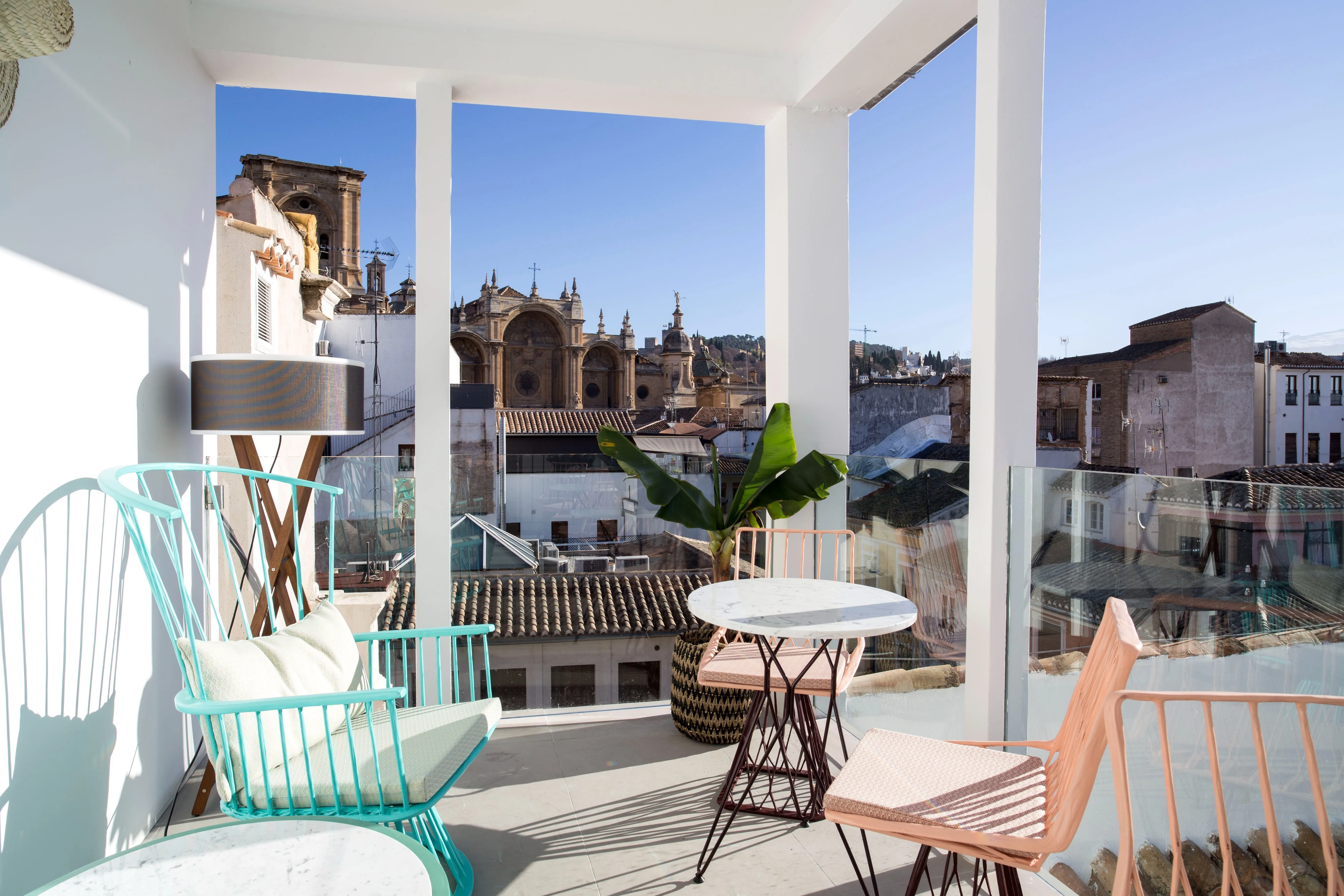
Granada combines history, landscape, and culture in a unique setting, especially attractive during the winter months.

If you want to see other places to visit in Granada, read the full article: Iconic places to visit in Granada
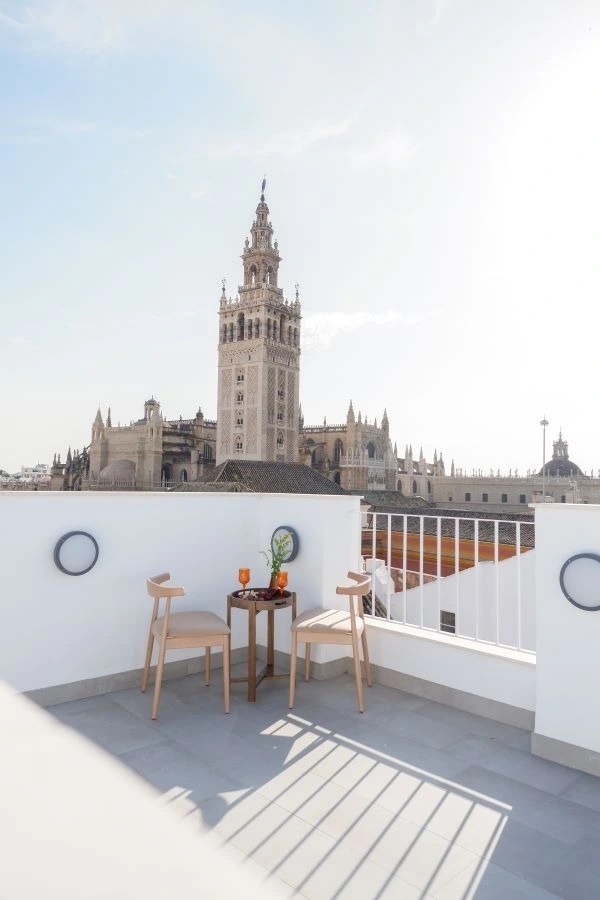
Seville maintains its vitality even in winter, combining historical monuments with lively neighborhoods.

If you want to see other places to visit in Seville, read the full article: Guide to places to visit in Seville
Beyond labels like Blue Monday, January—and especially its last week—can be understood as an invitation to take things calmly. Not every goal must be achieved immediately, nor does every day have to be productive or extraordinary.
For the occasional traveler or for those who live in the city, this time of year can become an opportunity to explore without rushing, observe more closely, and reconnect with small urban pleasures, allowing the year to progress at its own pace.
You may also be interested in other articles: